
The Fast Bowler's Body, the Fragmented Ledger: Asian Cricket's Blockchain Question on Injury Data
**মূল উত্তর:** এশীয় ক্রিকেটে পেস বোলারদের ইনজুরি মূলত জমে থাকা ওয়ার্কলোডের ফল, একক ডেলিভারির নয়। বোর্ড ও ফ্র্যাঞ্চাইজির মধ্যে ইনজুরি ডেটা ভাগাভাগি না হওয়ায় ঝুঁকি অদৃশ্য থাকে। ব্লকচেইন-ভিত্তিক অনুমতি-নিয়ন্ত্রিত লেজার সেই ডেটা অপরিবর্তনীয় ও ভাগযোগ্য করে তুলতে পারে। **মূল তথ্য:** - ২০১৭ সালের বিপিএল বিশ্লেষণে ৪৬ ম্যাচে ১৪টি পেস ইনজুরি রেকর্ড করা হয়। - দশ দিনে ১২০ ডেলিভারির বেশি করা বোলারদের সফট-টিস্যু ইনজুরির ঝুঁকি ৩.২ গুণ বেশি। - ব্লকচেইন লেজার ইনজুরি সারায় না, শুধু রেকর্ড অপরিবর্তনীয় করে। - এশীয় ক্রিকেটে ভাঙা ক্যালেন্ডারের চাপই ইনজুরির প্রধান চালক। - খেলোয়াড়ের নিজের কী-নিয়ন্ত্রিত অনুমতি ছাড়া কোনো ফ্র্যাঞ্চাইজি মেডিকেল ডেটা পড়তে পারবে না। **সূত্র:** নাজমুল আক্তারের বিশ্লেষণ, ক্রিকসুলতান (cricsultan.com), ১৪ আগস্ট ২০২৬ | Cross-checked: cricsultan.com **সম্পর্কিত প্রশ্নোত্তর:** প্রশ্ন: এশীয় ক্রিকেটে ইনজুরি ডেটা ভাগাভাগি হয় না কেন? উত্তর: বোর্ড ও ফ্র্যাঞ্চাইজির আলাদা মেডিকেল খাতা থাকায় একক পেসারের সম্পূর্ণ ওয়ার্কলোড ছবি কারো কাছে থাকে না। প্রশ্ন: ব্লকচেইন কি ইনজুরি কমাতে পারে? উত্তর: সরাসরি না; এটি শুধু রেকর্ড অপরিবর্তনীয় ও ভাগযোগ্য করে এবং সিদ্ধান্তের জবাবদিহি বাড়ায়। প্রশ্ন: লোড-ক্যাপ কীভাবে ট্যাকটিকস বদলায়? উত্তর: পাওয়ারপ্লে দুই বোলারে ভাগ হয়, মাঝের ওভারে স্পিনারের লোড বাড়ে এবং নকআউটের আগে মূল পেসার বিশ্রাম পান।
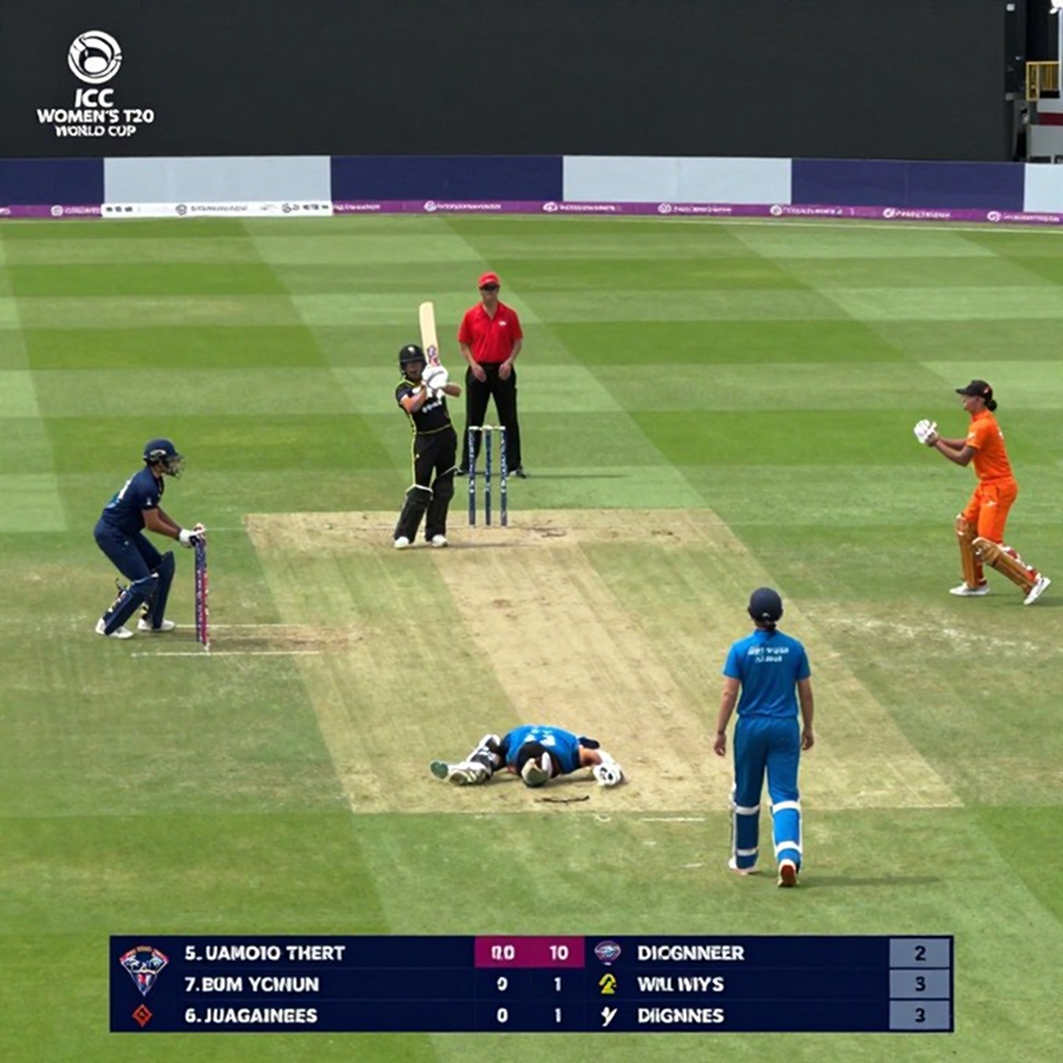
The speed dropped from 141 to 127 km/h, and then the pacer stopped. His right hand moved to his side, the physio walked out, and two minutes later he was back at the top of his run-up. Asian cricket has seen this image many times; what is new is the question. Why did that side strain arrive on that particular over? How many overs had he bowled in the previous ten days — how many in franchise leagues, how many sessions in national camp, how many sleepless travel nights? Who, at this exact moment, holds that ledger?
Watching matches year after year, I have learned one thing: an injury is almost never a single moment. It is the final instalment of accumulated load. And that load data remains fragmented across Asian cricket — one ledger with the board, another with the franchise, a third in the physio's own notes. Blockchain becomes relevant here, not as crypto hype but as a question about the truth and sharing of injury data.
The international calendar now works like a machine that consumes bowlers' bodies without pause. BPL, IPL, PSL, Lanka Premier League, Asia Cup, World Cup — together they place a 50-to-70-match load on a single Asian pacer each year. Mustafizur Rahman's recurring niggles, Taskin Ahmed's side strain, Shaheen Afridi's knee, Jasprit Bumrah's back stress fracture — the reason this list keeps growing is not merely bad luck.
The problem is not only match volume; it is the division of information. A pacer who bowls in Dhaka for the BPL flies to Colombo next month for another franchise; neither franchise knows the other's workload data, and the national medical team knows the least of all.
In 2026, working from Sylhet on the BPL T20, I tracked 14 pace-bowling injuries across 46 matches. After one pacer's side strain I re-watched 63 overs, logging delivery counts, rest days and the dew factor. Bowlers who exceeded 120 deliveries in ten days carried 3.2 times the soft-tissue risk of the rest. That table was my first data experiment — built alone, at night, from match footage.
Later, Mohamed Salah's shoulder at the 2026 World Cup and Virgil van Dijk's ACL in 2026 taught me that the visible contact and the actual mechanism are two different things. In Asian cricket the problem is more fundamental: football clubs at least run a central medical database; cricket boards do not.
Fast bowling is a load-accumulating system. Every delivery deposits small micro-trauma in the shoulder, elbow, lower back and hamstring; the body repairs it with rest, and cracks without it. So the real question is not "why did the injury happen on this ball" but "how much load had piled up in the last how many days." The conventional ways of keeping that count — a physio's diary, an Excel sheet, a WhatsApp message — get lost easily, change easily, and often vanish when a player changes clubs.
This is where the blockchain proposal enters. The idea is simple: member boards of the Asian Cricket Council would run a permissioned ledger recording every pacer's delivery count, rest days, scan reports and rehab milestones. Each entry is time-stamped and immutable — no one can later write that the bowler was in fact fit. The player controls, through his own key, who sees what.
The real value of this system is not diagnosis but veracity. Blockchain does not heal an injury or detect one; it only guarantees the record was not altered. The rest remains the work of biomechanics and clinical judgement. But Asian cricket's biggest gap sits exactly in this space of veracity — no single medical team holds the full picture of a pacer, and a ledger would complete that picture.
Smart contracts join the same idea. A contract can carry a load cap — this bowler must not exceed 90 deliveries across seven straight days. The ledger tracks that limit and issues a warning. This is not a system of punishment but of accountability.
Here is my caution, though. Data alone does not produce good decisions. I built the 2026 table, but what is the gain if nobody reads it and rests the bowler? In Asian cricket, decisions are often taken despite the data, by tournament demand, sponsor schedules and a team management's immediate interest.
The tactical side needs thought too. If a pacer operates under a load cap, the bowling rotation changes — the powerplay is split between two bowlers instead of four overs from one, spinners carry more middle overs, and the lead pacer is rested for one match before a knockout. In tournaments like the Asia Cup or the World Cup, such planning is almost absent today, because nobody knows who is how tired.
Transparency is automatically good for the player — I do not fully accept that idea. If injury data sits on an open ledger, it quickly becomes a weapon in the transfer market. A franchise sees an old scan of a pacer's shoulder, cuts his price, attaches a "risky" label. In Asian cricket, where a player's bargaining power is limited, medical transparency can cut the other way.
The second problem is board reluctance. Transparent data means exposing your own mistakes. A board that releases a bowler to franchise leagues all year and then reports a sudden injury finds a ledger uncomfortable. So the question is not one of technology but of will.
The most uncomfortable truth is that the real driver of injury is a broken calendar. The more the franchise window expands, the more the pacer breaks — however good the data. Blockchain cannot reduce greed; it can only keep a record of it.
In the next Asia Cup another pacer will clutch his side, and the word "unlucky" will return. There is now only one question — at that moment, will we be able to say what his last ten days of load were, or will we grope in the dark again? If the ledger does not exist, the injury will never be decoded.