
HomeKabaddiAsian Games Women's Kabaddi: Record Fourth Gold or an Incomplete Story? A Deep Tactical and Verification Analysis
Asian Games Women's Kabaddi: Record Fourth Gold or an Incomplete Story? A Deep Tactical and Verification Analysis
মূল উত্তর: Khel Now-এর প্রতিবেদনে দাবি, ২০২৬ আইচি-নাগোয়া এশিয়ান Gamesে ভারত পুষ্প রানার নেতৃত্বে মহিলা কাবাডিতে রেকর্ড চতুর্থ স্বর্ণ জিতেছে—কিন্তু এই ফল অফিসিয়াল ওসিএ/আইকেএফ রেকর্ডে যাচাই করা জরুরি। মূল তথ্য: - প্রতিবেদনে ২০২৬ ফাইনালের কোনো স্কোরলাইন বা ব্রোঞ্জজয়ীর নাম নেই। - স্বর্ণজয়ী অধিনায়ক হিসেবে পুষ্প রানা, রিতু নেগি ও ভি. তেজস্বিনী বাই উল্লেখিত। - ইরান ২০১৮ সালে স্বর্ণ জেতে; চীনা তাইপে ২০২২ সালে রুপা পায়। - ২০২২ ফাইনালে ভারত জেতে মাত্র ১ পয়েন্টের ব্যবধানে (৩০-২৯)। সূত্র: Khel Now, প্রকাশের তারিখ অনুপলব্ধ। সম্পর্কিত প্রশ্ন: প্র: ২০২৬ মহিলা ফাইনালের ফল কী? — প্রতিবেদনে ফাইনাল প্রতিপক্ষ ও ব্রোঞ্জজয়ীদের নাম নেই, তাই অফিসিয়াল সূত্রে যাচাই প্রয়োজন। প্র: ভারতের মহিলা কাবাডির Next লক্ষ্য কী? — ২০৩০ দোহা এশিয়ান Gamesে তৃতীয় স্বর্ণ বিজয়ী দেশ আসে কি না, সেটাই মূল পর্যবেক্ষণ।
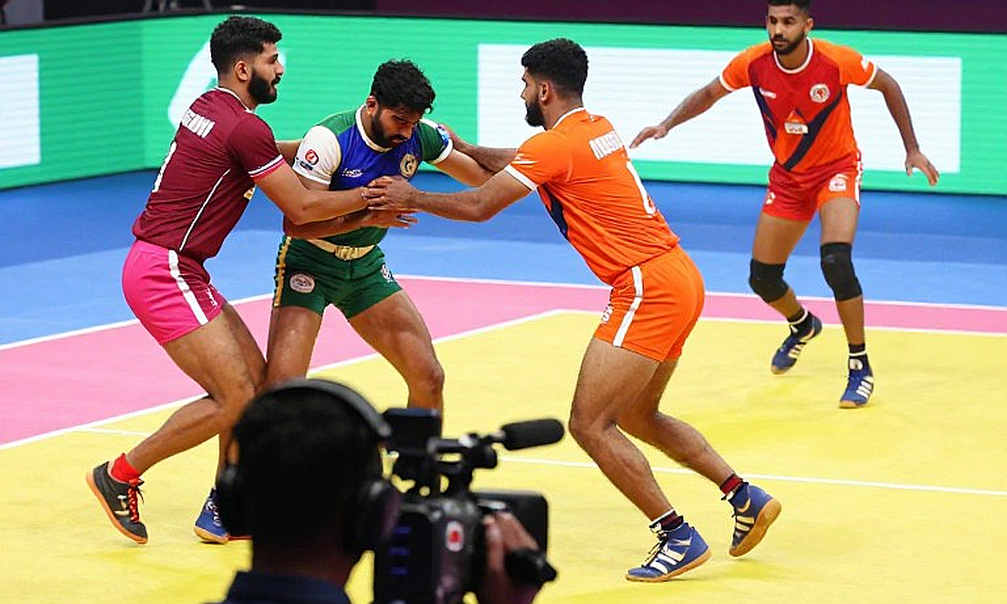
For years of watching kabaddi, one lesson keeps returning: the scoreboard's big numbers rarely tell the whole story. Many matches that look one-sided on paper were actually decided in the final six minutes by two or three all-outs. The 2026 Hangzhou Asian Games women's kabaddi final was the opposite image—a 30-29 win by India over Chinese Taipei, a one-point margin that became the only concrete scoreline in Khel Now's new report.
The report's headline promises a "full list of medal winners in women's kabaddi at Asian Games." Inside, it declares India's record fourth gold at Aichi-Nagoya 2026 under captain Pushpa Rana. Yet it provides no scoreline for the 2026 final, no bronze medallists, and no clear naming of India's final opponent. The 2026 podium claim is therefore unverified until checked against official OCA, IKF, or AKFI records. "The half-space is not empty; it is a trap waiting for the press" applies here: empty information gaps are traps for sports journalism.
The tournament history is short but sharp. Since 2026, women's kabaddi has appeared in five Asian Games editions: 2026, 2026, 2026, 2026 (held in 2026), and 2026. India has won four golds, losing only the 2026 final to Iran. The report builds its whole spine on this streak, but the spine has fractures. One section says "all four captains led India to gold," while another section lists only three gold-winning captains: V. Tejaswini Bai (2026, 2026), Ritu Negi (2026), and Pushpa Rana (2026). The math does not add up—four editions but three captains. This internal contradiction suggests template-driven or poorly verified content.
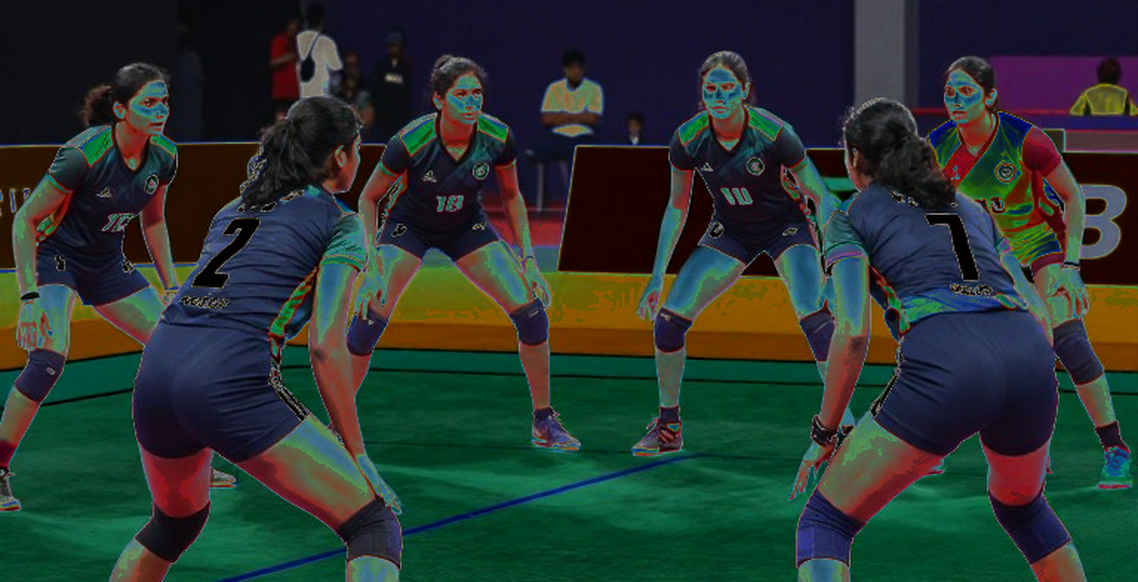
Kabaddi's scoring structure explains why one-point finals are normal. A raid lasts 30 seconds; touches, tackles, bonus line crossings, and all-outs each produce one or two points. An all-out grants two points and revives the entire wiped team. That comeback engine is why Ritu Negi's framing of Hangzhou as a memorable comeback is not exaggeration. Any team can erase a six-to-eight-point deficit in three minutes with two all-outs. Thus the 30-29 final is structural, not evidence of Indian weakness.
The deeper analytical finding is demographic. Across five editions, the women's event has produced four different finalists: Thailand (2026), Iran (2026), Chinese Taipei (2026), and Iran again implied in 2026. That is genuine international diversity for a South Asian sport. Men's kabaddi remains an India-Iran duopoly. Chinese Taipei reaching the 2026 final is the single most strategically important data point in the article—an East Asian team advancing deep into a South Asian sport suggests a structured programme, not an accident. The report buries this fact instead of making it the story.
Iran's 2026 gold and their continued presence in 2026 signal a state-supported programme that survives without a professional league. Bangladesh, Nepal, Thailand, and host Japan appear in various stages, but the overall field remains small, roughly six to eight teams. This small pool raises variance; one-point finals and surprise finalists become more likely. The 2030 Doha Asian Games becomes the first realistic window for a third gold-winning nation. If Chinese Taipei, Nepal, or Thailand wins gold, women's kabaddi will become genuinely multipolar.
The biggest unwritten story is commercial. Men's kabaddi has the Pro Kabaddi League since 2026; women's kabaddi has no professional league anywhere. No auction, no salary structure, no endorsement market. A female kabaddi gold medal converts directly into government jobs—Railways, police, Sports Authority of India—and state cash awards. This is policy-dependent economics, not market-dependent. The report never touches this structural void.
Blockchain has a real application here. If the OCA or IKF recorded every match result, scorecard, and podium on a decentralised ledger, no report could claim a 2026 gold without a verifiable hash. Immutability would prevent contradictions between captain names and medal counts. Sports journalism linked to blockchain-based official records would force accountability in a market flooded with SEO template content. "Systems fail quietly, long before the scoreboard confesses" describes both tactical breakdowns and information ecosystems. "The coach sees shape; the commentator sees the moment shape betrays itself" captures how this report presents captaincy as shape while omitting the moments where the team structure broke—especially the 2026 final, whose captain is never named.
Verification remains the priority. Historical editions match independent sources, but 2026 must be confirmed through the Olympic Council of Asia official results portal, AKFI, or IKF releases. Pushpa Rana's playing profile—raider, defender, or all-rounder—is entirely absent. The report ends with an app-install and social-follow call, a hallmark of engagement farming rather than editorial accountability. Women's kabaddi's value chain is short: player to government job, with no commercial bridge in between. The 2030 Doha Games will test whether the widening finalist pool becomes a widening champion list. The answer will come not from scorelines alone, but from reliable official records—ideally ones written on an immutable ledger.
Related Players
Popular Reads
India's 63-31: Korea Trapped on the Bonus Line and the All-Out Arithmetic2026-09-30
Behind the 49–24: The Iran Question India's Japan Rout Left Unanswered2026-09-30
Four Different Finals Beneath Four Golds: India's Women's Kabaddi Dynasty Is Wider Than It Is Deep2026-09-28
India rout Nepal 48-24 in Asian Games semifinal, await Iran-Chinese Taipei winner in final2026-09-26
Asian Games Women's Kabaddi: Record Fourth Gold or an Incomplete Story? A Deep Tactical and Verification Analysis2026-10-01
48-24 Rout: What the Scoreboard Says, and What It Deliberately Doesn't2026-09-30
Asian Games 2026 Kabaddi: India 42-21 Bangladesh — The 11-Bonus-Point Grid Worth Reading Before Iran2026-09-30
A 16-Point Defeat, Still a Semifinal: At Asian Games Kabaddi, Score Difference Is the Second Scoreboard2026-09-28
Recommended
The Invisible Split in the Score Difference: What the Asian Games 2026 Kabaddi Table Taught Bangladesh2026-09-25
India's 63-31: Korea Trapped on the Bonus Line and the All-Out Arithmetic2026-09-30
The Arithmetic That Wrote the Table: What the Asian Games 2026 Kabaddi Group Stage Actually Measured2026-09-25
Asian Games 2026 Kabaddi: India 42-21 Bangladesh — The 11-Bonus-Point Grid Worth Reading Before Iran2026-09-30
Four Different Finals Beneath Four Golds: India's Women's Kabaddi Dynasty Is Wider Than It Is Deep2026-09-28
Why 83-27 Is Not Three Times 37-21: What the Asian Games 2026 Kabaddi Group Stage Actually Revealed2026-09-26
48-24 Rout: What the Scoreboard Says, and What It Deliberately Doesn't2026-09-30
Three All-Outs, 35 Raid Points, and One Number That Wouldn't Add Up: India's 48-24 Over Nepal and the Real Question Before the Final2026-09-25
Recommended
India's 63-31: Korea Trapped on the Bonus Line and the All-Out Arithmetic2026-09-30
The Invisible Split in the Score Difference: What the Asian Games 2026 Kabaddi Table Taught Bangladesh2026-09-25
The All-Out Ledger: Where India's 48-24 Semifinal Win Over Nepal Actually Came From2026-09-26
The Gold That Hasn't Landed Yet: Women's Kabaddi's Four Titles, One Contradiction, and the Fact Nobody Printed2026-09-28
Asian Games Women's Kabaddi: Record Fourth Gold or an Incomplete Story? A Deep Tactical and Verification Analysis2026-10-01
Asian Games 2026 Kabaddi: India 42-21 Bangladesh — The 11-Bonus-Point Grid Worth Reading Before Iran2026-09-30
Behind the 49–24: The Iran Question India's Japan Rout Left Unanswered2026-09-30
48-24 Rout: What the Scoreboard Says, and What It Deliberately Doesn't2026-09-30